
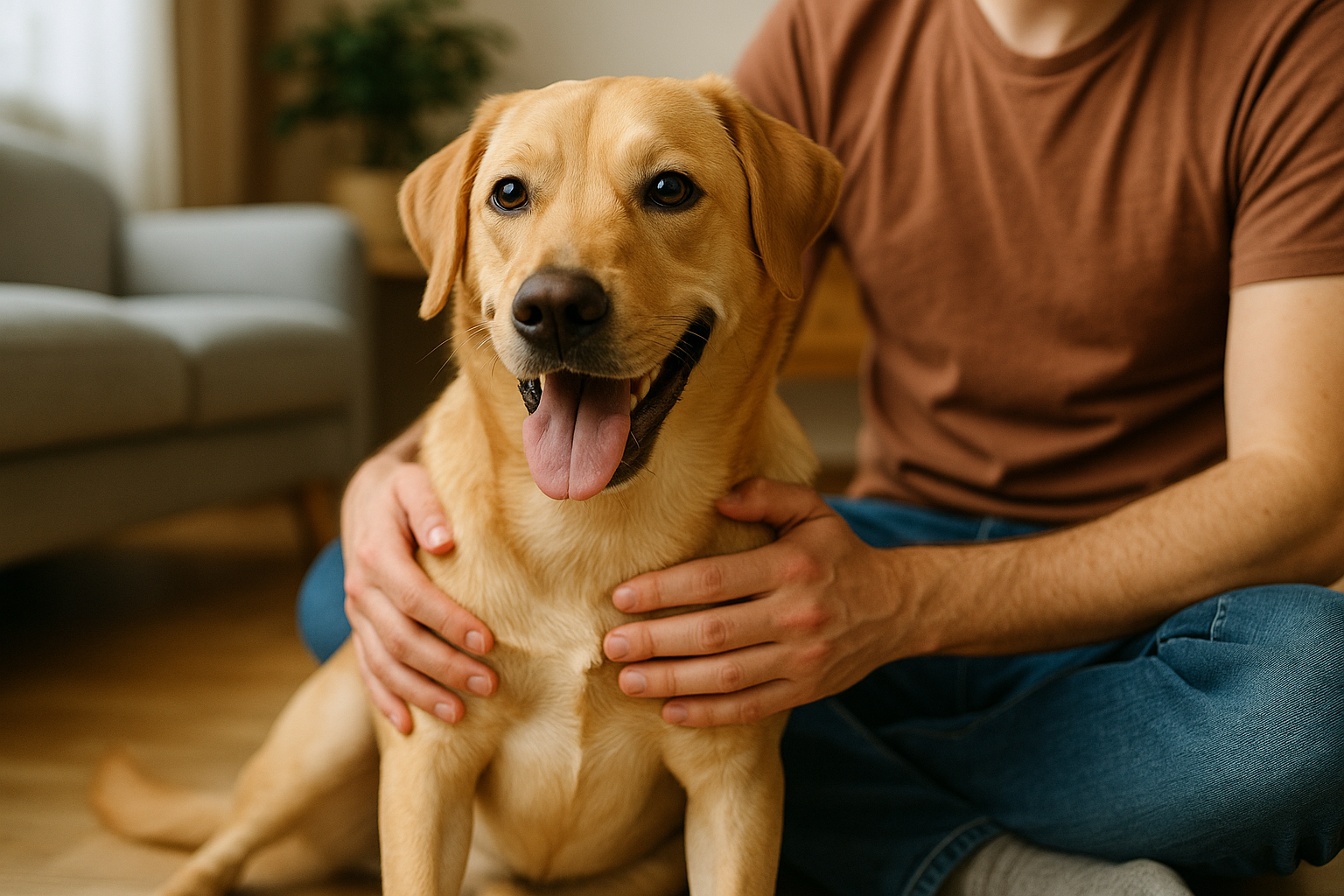
A healthy, happy dog is every pet owner’s goal. After all, our four-legged companions depend on us for their well-being, comfort, and joy. Just like humans, dogs thrive when they have a consistent routine, proper nutrition, exercise, and mental stimulation. In this article, we’ll explore ten essential habits that every dog owner should adopt to ensure their furry friend lives a long, joyful, and healthy life.
1. Maintain a Consistent Exercise Routine
Physical activity is not just about burning off energy; it’s crucial for a dog’s mental health too. Daily walks, games of fetch, and play sessions provide exercise, mental stimulation, and opportunities for socialization.
Different breeds and ages require different levels of activity. For example, high-energy breeds like Border Collies and Huskies need more exercise than more sedentary breeds like Bulldogs. Aim for at least 30 minutes to one hour of physical activity every day, depending on your dog’s needs.
2. Feed a Balanced and Nutritious Diet
Proper nutrition is the cornerstone of a healthy dog. Choose a high-quality commercial dog food that is appropriate for your dog’s age, breed, and activity level. Consult with your veterinarian if you’re unsure about which brand or type of food is best.
Avoid giving your dog table scraps or human food, as many common foods—like chocolate, grapes, and onions—are toxic to dogs. Stick to dog-appropriate treats and use them in moderation to avoid weight gain.
3. Prioritize Grooming and Hygiene
Regular grooming is essential for your dog’s comfort and health. Brush your dog’s coat several times a week to remove loose hair and prevent matting, especially if they have long fur.
Bathing frequency varies by breed and activity level, but in general, a bath every 4–6 weeks is a good guideline. Use dog-specific shampoos to avoid irritating their skin.
Don’t forget about nail trimming, which should be done at least once a month, depending on how quickly your dog’s nails grow. Overgrown nails can cause pain and even affect how your dog walks.
4. Socialize Your Dog
Socialization is critical to raising a well-adjusted dog. Expose your dog to different environments, people, and other animals in a controlled and positive way. Early socialization can prevent behavioral problems like fear and aggression.
Arrange playdates with other friendly dogs or take your dog to the park. Always supervise interactions to ensure they’re safe and positive.
5. Provide Mental Stimulation
Boredom can lead to destructive behaviors like chewing and excessive barking. Keep your dog’s mind active with puzzle toys, treat-dispensing games, and training sessions.
Regular training not only teaches your dog basic commands but also strengthens your bond. Use positive reinforcement—treats, praise, and affection—to make learning enjoyable.
6. Schedule Regular Veterinary Check-Ups
Routine vet visits are essential for preventative care. Your vet will ensure your dog is up-to-date on vaccinations, parasite prevention, and dental health.
An annual wellness exam helps detect issues early, which can lead to more successful treatment. Discuss any concerns you have with your vet, from diet to behavioral changes.
7. Prioritize Dental Care
Dental health often gets overlooked, but it’s vital for your dog’s overall well-being. Dental disease can lead to pain, infection, and even affect organs like the heart and kidneys.
Brush your dog’s teeth several times a week using a dog-specific toothbrush and toothpaste. Dental chews and toys can also help reduce plaque buildup. Regular dental check-ups with your vet are important to maintain good oral health.
8. Keep Fresh Water Available at All Times
Hydration is critical to your dog’s health. Always provide fresh, clean water, and check the bowl throughout the day to ensure it’s not empty.
Dehydration can lead to serious health issues, especially in hot weather or after exercise. If your dog is more active or spends time outdoors, increase their water intake accordingly.
9. Create a Safe and Comfortable Living Environment
Your home should be a safe haven for your dog. Provide a comfortable bed in a quiet spot where they can rest undisturbed.
Dog-proof your home by removing any hazards such as electrical cords, small objects that can be swallowed, and toxic substances like cleaning products and certain plants.
If you have a yard, make sure it’s securely fenced and free from gaps where your dog could escape. A safe space helps your dog feel secure and reduces stress.
10. Give Plenty of Love and Attention
Last but certainly not least, show your dog love every day. Dogs are social animals that crave companionship and affection from their human family.
Spend time cuddling, playing, or simply relaxing with your dog. Positive human interaction not only strengthens your bond but also helps your dog feel secure and happy.
Why These Habits Matter
Building these healthy habits into your dog’s daily routine can greatly improve their quality of life. From regular exercise and nutrition to mental stimulation and socialization, each element plays a critical role in your dog’s overall well-being.
As you implement these habits, remember that every dog is unique. Pay attention to your dog’s individual needs and adjust your routine accordingly. For example, an older dog might need shorter walks and more rest, while a puppy may require more playtime and supervision.
By prioritizing these habits, you’re not only helping your dog live a longer, healthier life, but also creating a loving, trusting bond that will last for years to come.