
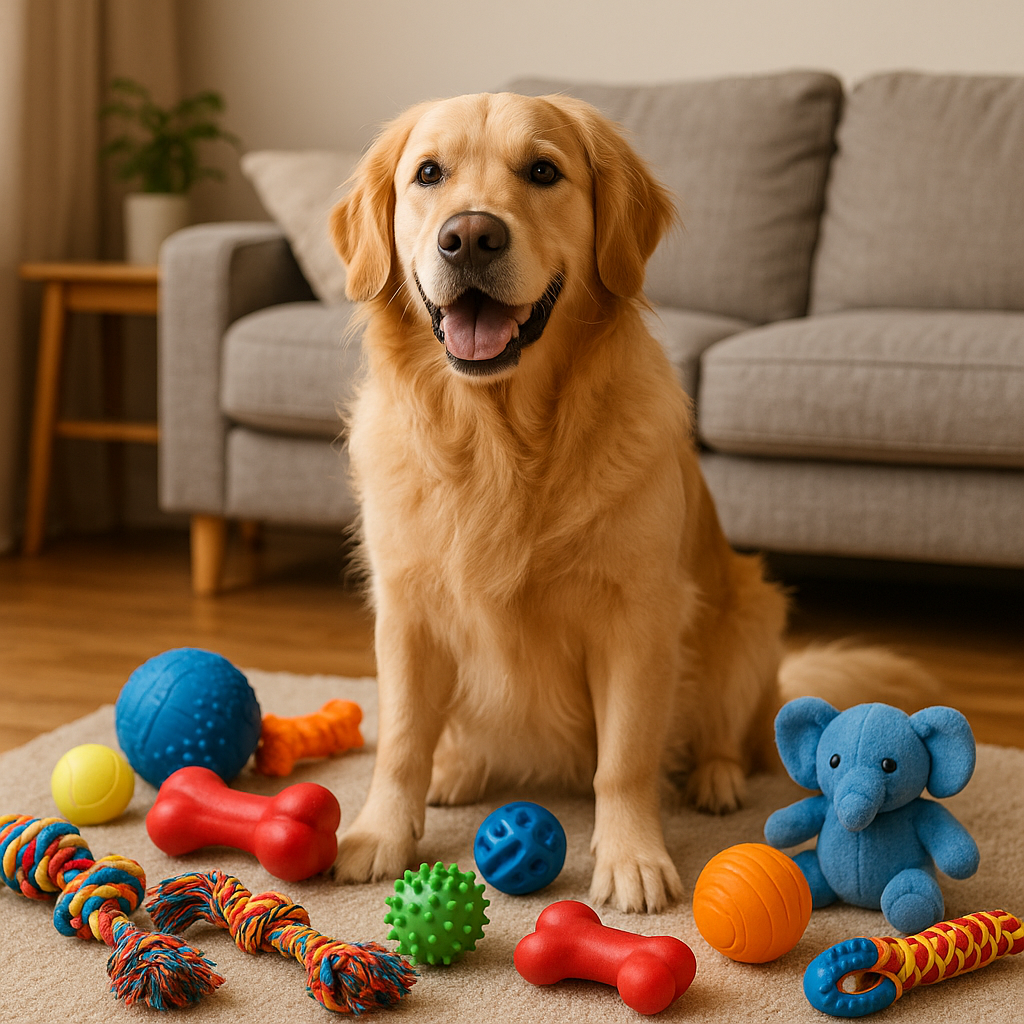
Toys are more than just playthings for your dog—they’re essential for mental stimulation, physical exercise, and building a stronger bond between you and your furry friend. With so many options available, choosing the right toys can be overwhelming. In this article, we’ll guide you through how to choose the best toys for your dog, focusing on safety, durability, and fun.
Why Toys Matter for Your Dog
Toys play a critical role in your dog’s overall well-being. They help:
- Stimulate the mind: Puzzle toys challenge your dog’s problem-solving skills and keep boredom at bay.
- Provide physical exercise: Fetch toys, tug ropes, and balls encourage your dog to stay active.
- Relieve stress and anxiety: Chew toys can help alleviate stress, especially for puppies going through teething.
- Prevent destructive behavior: Engaging toys can redirect chewing away from furniture and shoes.
By choosing the right toys, you can help your dog stay mentally and physically healthy.
Consider Your Dog’s Size and Breed
One of the most important factors in choosing the right toy is your dog’s size and breed. Toys that are too small can be a choking hazard, while toys that are too large may be difficult to play with.
- Small breeds (Chihuahuas, Yorkies): Look for lightweight, smaller toys that fit comfortably in their mouths.
- Medium breeds (Beagles, Cocker Spaniels): Medium-sized toys, including ropes, balls, and squeakers, are usually a good fit.
- Large breeds (Labradors, German Shepherds): Choose durable toys designed for powerful jaws to prevent easy destruction.
Always check the toy’s size guide to ensure it’s appropriate for your dog’s weight and breed.
Prioritize Safety First
Safety should always be your top priority. Look for toys made from non-toxic materials and avoid those with small parts that could be chewed off and swallowed.
Here are some safety tips:
- Inspect regularly: Check toys for signs of wear and tear, such as loose threads, cracks, or sharp edges.
- Avoid harmful materials: Stay away from toys with sharp edges, cheap plastic, or toxic dyes.
- Monitor playtime: Always supervise your dog when introducing a new toy to ensure they don’t accidentally swallow pieces.
If a toy shows signs of damage, replace it immediately to prevent injuries.
Types of Dog Toys and Their Benefits
1. Chew Toys
Chew toys help satisfy your dog’s natural urge to chew, which is especially important for puppies during the teething phase. Look for:
- Rubber chew toys: Durable and great for strong chewers.
- Nylon bones: Long-lasting and safe for moderate chewers.
- Dental chews: Help clean teeth and freshen breath while your dog chews.
2. Interactive Toys
Interactive toys, such as treat-dispensing puzzles and snuffle mats, challenge your dog’s mind and keep them engaged. These toys are excellent for preventing boredom and reducing anxiety.
- Puzzle feeders: Make mealtime more engaging by requiring your dog to work for their food.
- Hide-and-seek toys: Encourage natural hunting instincts and can be great for mental enrichment.
3. Fetch Toys
Fetch toys are perfect for active dogs that love to run and chase. Popular options include:
- Balls: Choose rubber or tennis balls appropriate for your dog’s size.
- Frisbees: Lightweight and easy to throw, they’re great for high-energy dogs.
- Rope toys: Can double as tug-of-war toys and are ideal for interactive play.
4. Plush Toys
Plush toys can provide comfort, especially for puppies and dogs that like to cuddle. Look for:
- Reinforced seams: To prevent easy tearing.
- Squeakers: Add an extra level of excitement but always supervise to ensure they don’t get swallowed.
Match Toys to Your Dog’s Play Style
Every dog has a unique play style. Pay attention to how your dog likes to interact with their toys:
- Chewers: Need durable toys that can withstand powerful jaws.
- Chasers: Love balls, frisbees, and fetch toys that cater to their natural hunting instincts.
- Cuddlers: Prefer soft plush toys they can carry and snuggle with.
By understanding your dog’s preferences, you can select toys that will keep them entertained and satisfied.
Rotate Toys to Keep Things Interesting
Even the best toy can lose its appeal if it’s always available. Rotate your dog’s toys every few days to keep things fresh and exciting. Store a few toys out of sight and bring them back into rotation after a week or two. This makes old toys feel new again and keeps your dog engaged.
DIY Toy Options
You don’t always have to buy toys from the store—some of the best toys can be made at home. Try:
- Frozen treats: Fill a Kong with peanut butter or yogurt and freeze it.
- Old t-shirts: Braid them into a rope for tug-of-war.
- Cardboard boxes: Create a simple puzzle by hiding treats inside.
DIY toys are a budget-friendly way to provide variety and enrichment.
Final Thoughts
Choosing the best toys for your dog is a rewarding way to enhance their health and happiness. Remember to consider your dog’s size, breed, and play style, prioritize safety, and rotate toys regularly to keep things interesting. By investing in the right toys, you’re providing more than just entertainment—you’re helping your dog live a mentally and physically fulfilling life.
With a little thought and attention to detail, you can make playtime one of the highlights of your dog’s day. Happy playing!