
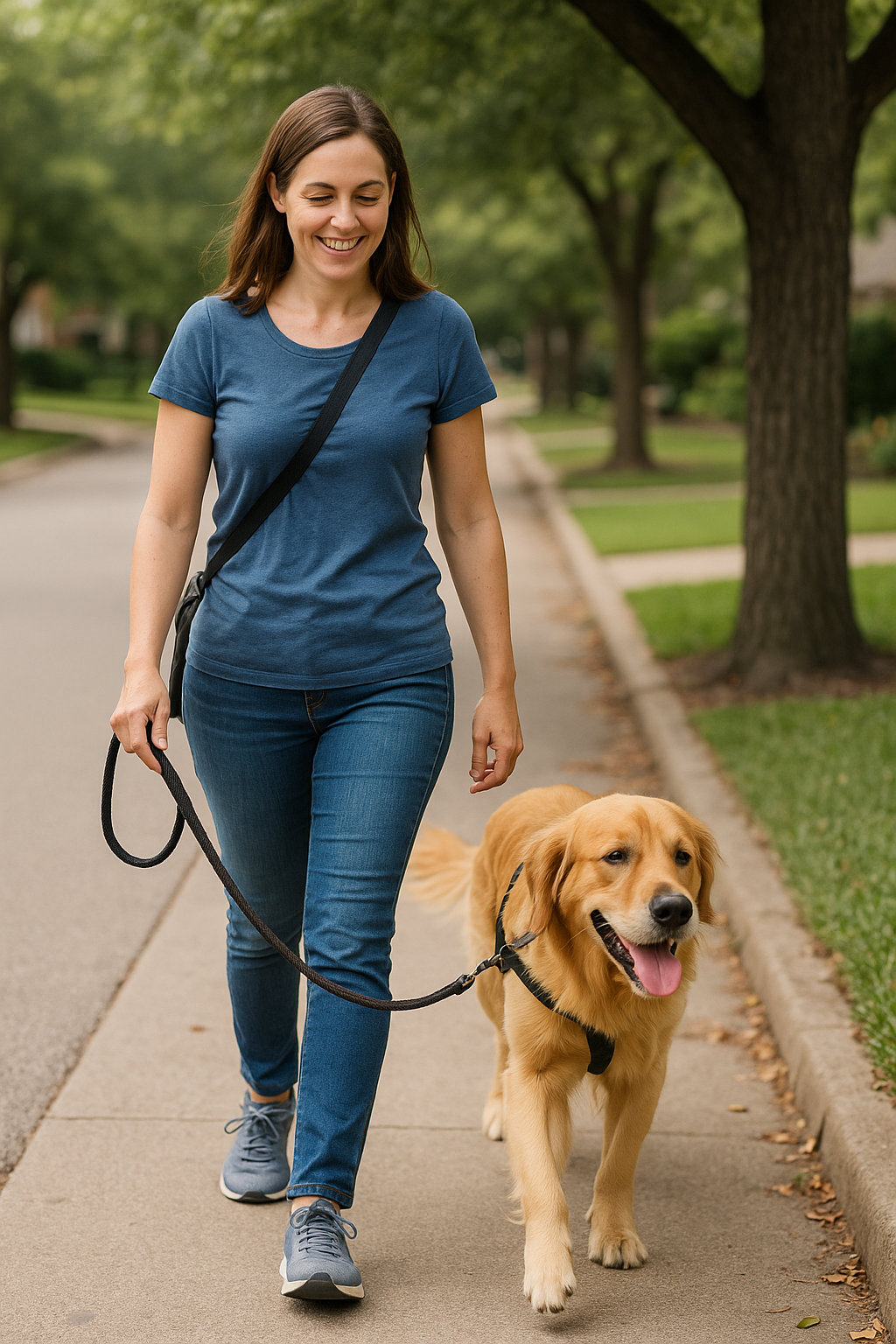
Walking your dog is one of the best ways to keep them physically healthy, mentally stimulated, and emotionally fulfilled. However, many dog owners don’t realize that a successful walk is more than just putting on a leash and heading out the door. To ensure that both you and your dog enjoy a safe, stress-free walk, it’s important to plan ahead, understand your dog’s needs, and follow some essential guidelines. In this article, we’ll dive into everything you need to know about walking your dog safely and enjoyably.
Why Walks Are Important
Walks provide your dog with physical exercise that helps maintain a healthy weight, reduces the risk of diseases like obesity and arthritis, and keeps their heart strong. Beyond the physical benefits, walks are also critical for mental stimulation. Dogs explore the world through their noses, and a walk gives them the opportunity to sniff, investigate, and satisfy their natural curiosity.
Additionally, walks are an opportunity for socialization and training. Encountering other dogs, people, and different environments helps your dog become more confident and well-adjusted.
Choose the Right Equipment
Before heading out, make sure you have the proper equipment to keep your dog safe and comfortable:
- Collar and ID tag: Ensure your dog’s collar fits snugly but not too tight, and always attach an ID tag with your contact information in case they get loose.
- Harness: A well-fitted harness is safer for most dogs, as it distributes pressure across their chest rather than their neck.
- Leash: A sturdy, 4- to 6-foot leash is ideal. Retractable leashes are not recommended for busy areas because they offer less control.
- Poop bags: Always pick up after your dog to keep your community clean and avoid fines.
Prepare Before You Go
Before starting the walk, check the weather conditions. On hot days, walk your dog during the cooler hours—early morning or late evening—to prevent overheating. In cold weather, consider using a dog coat or sweater for short-haired breeds.
Make sure your dog has had an opportunity to go potty before the walk starts, as this helps avoid accidents along the way.
Start with Basic Leash Training
If your dog pulls or lunges, invest time in leash training. Teaching your dog to walk politely on a leash prevents injuries and makes the walk more enjoyable. Here’s how to get started:
- Reward good behavior: Whenever your dog walks nicely without pulling, reward them with treats or praise.
- Stop and stand still: If your dog starts to pull, stop walking and wait until they come back to your side.
- Use treats: Keep a treat pouch handy to reward your dog for walking calmly beside you.
Consistency is key, so practice regularly to build good habits.
Stay Alert to Surroundings
Pay attention to your environment at all times. Watch for:
- Other dogs: Not all dogs are friendly. If you see another dog approaching, read their body language. If they appear tense or aggressive, cross the street or change direction.
- Traffic: Keep your dog on a short leash near roads. Avoid using your phone or getting distracted near busy streets.
- Hazards: Broken glass, sharp objects, and toxic plants can injure your dog. Keep an eye on the ground and steer your dog away from potential dangers.
Let Your Dog Sniff
A walk is more than just physical exercise—it’s also an opportunity for your dog to engage their incredible sense of smell. Allow your dog to stop and sniff around periodically. Sniffing provides mental stimulation and helps your dog feel satisfied.
You can even incorporate “sniff breaks” by stopping in safe spots and letting your dog explore the area.
Adjust to Your Dog’s Needs
Different dogs have different energy levels. Puppies and high-energy breeds might need longer walks or more intense exercise like running or fetch after the walk. Senior dogs or those with health issues may prefer shorter, slower strolls.
Pay attention to your dog’s body language and adjust the walk accordingly. If they’re panting heavily, lagging behind, or seem tired, it’s time to head home.
Practice Good Etiquette
Being a responsible dog owner means respecting others during your walk:
- Yield to others: Not everyone loves dogs, and some people may be afraid. Move to the side or shorten your leash when passing people.
- Don’t let your dog greet every other dog: Not all dogs want to interact. Ask the other owner first.
- Pick up after your dog: Always clean up after your dog, even in natural areas.
Add Variety to Keep Walks Interesting
Dogs can get bored with the same route every day. Try mixing things up by exploring new neighborhoods, parks, or trails. Different sights, sounds, and smells make the walk more enriching for your dog.
Final Thoughts
Walking your dog is more than a chore—it’s a bonding experience that benefits both of you. By choosing the right equipment, practicing leash training, and paying attention to your dog’s needs, you can ensure that every walk is safe, enjoyable, and rewarding.
Remember that walks are an opportunity for exercise, mental enrichment, and strengthening your bond with your dog. With patience and consistency, you’ll both look forward to this daily ritual.