
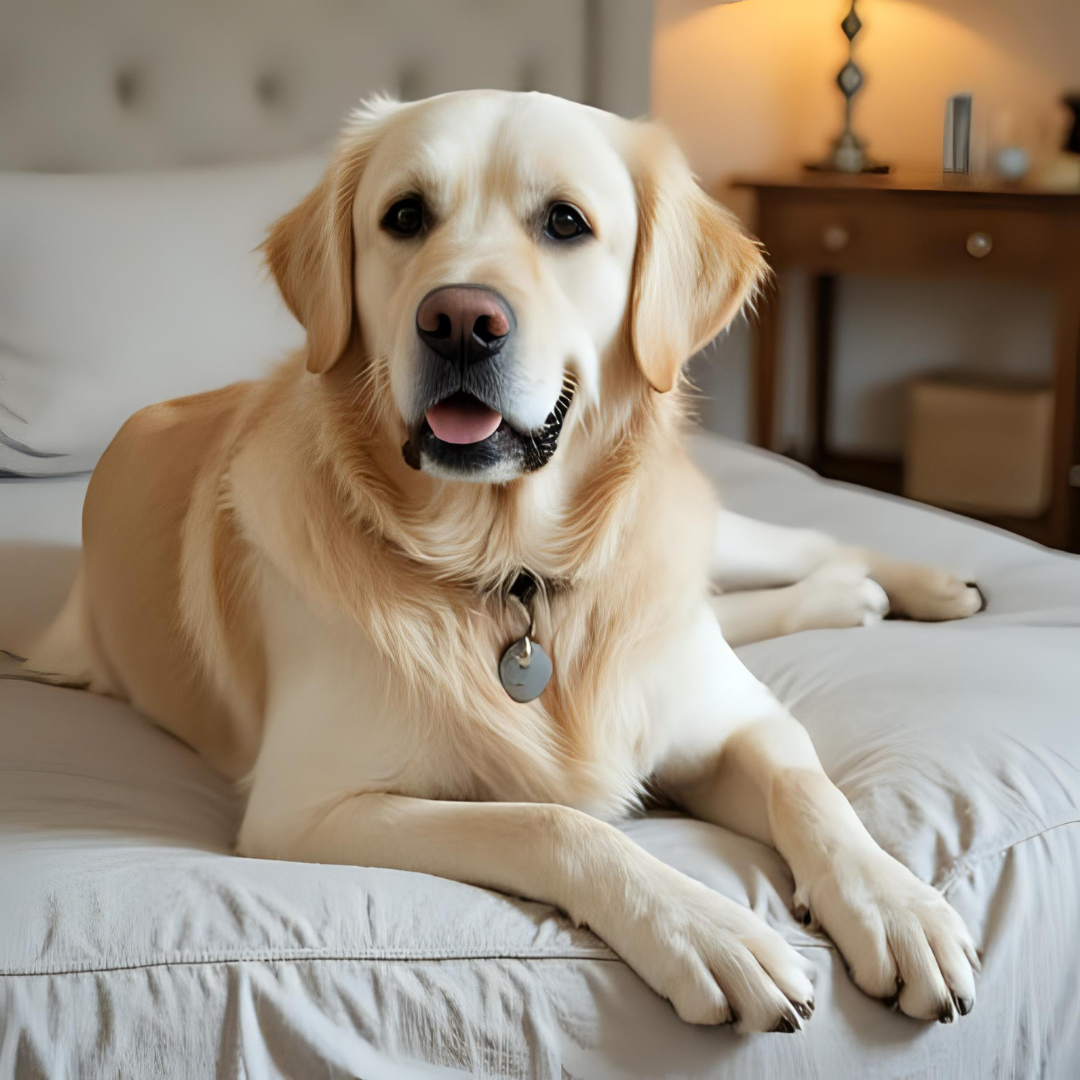
Surgery is sometimes necessary to keep our dogs healthy, whether it’s a routine spay or neuter, a dental procedure, or a more complex operation. Regardless of the type of surgery, the recovery period is crucial for your dog’s healing and comfort. Knowing how to care for your dog after surgery ensures a smooth recovery and helps prevent complications. This comprehensive guide covers everything you need to know—from pain management and wound care to dietary needs and activity restrictions.
Why Post-Surgery Care is So Important
Proper post-operative care is essential because:
- It reduces the risk of infection and complications.
- It helps your dog heal faster and more comfortably.
- It prevents accidents, like your dog licking the wound or overexerting themselves.
- It supports their emotional well-being by reducing stress and anxiety.
Preparing Your Home for Recovery
Before bringing your dog home, prepare a quiet, comfortable space where they can rest undisturbed. Choose a room away from household traffic and noise. Provide:
- A soft bed or crate with blankets.
- Fresh water within easy reach.
- Toys they can enjoy without too much movement (like a plush toy).
Remove any potential hazards, such as stairs (if your dog isn’t supposed to climb them) or slippery floors that could cause accidents.
Managing Pain and Medications
Your veterinarian will likely prescribe pain medications, anti-inflammatories, or antibiotics. Administer these exactly as directed. Never skip doses or give human medications without consulting your vet—it can be dangerous.
Monitor your dog for signs of pain, which can include:
- Whining or whimpering.
- Restlessness or difficulty settling.
- Reluctance to move.
- Decreased appetite.
If you notice these signs despite medication, contact your veterinarian for advice.
Monitoring the Surgical Site
Inspect your dog’s incision at least once or twice a day. Look for:
- Redness, swelling, or discharge.
- Unusual odor.
- Bleeding.
- Excessive licking or chewing at the site.
If you see any of these signs, call your veterinarian right away. Most incisions should look clean and dry, with minimal redness or swelling.
Using an E-Collar or Recovery Suit
An Elizabethan collar (E-collar) or a recovery suit helps prevent your dog from licking or chewing the incision. While some dogs dislike the E-collar at first, it’s essential for preventing infections or wound reopening.
Diet and Hydration
After surgery, your dog may feel nauseous from anesthesia. Offer small amounts of water and a bland diet (boiled chicken and rice) if your vet recommends it. Resume their regular diet gradually over the next few days, unless your veterinarian suggests otherwise.
Always ensure fresh water is available, as hydration supports healing.
Activity Restrictions
Rest is crucial after surgery. Follow your vet’s instructions on activity restrictions, which may include:
- No running, jumping, or rough play.
- Leashed potty breaks only.
- No stairs or furniture climbing until cleared by your vet.
Depending on the type of surgery, your dog may need to be confined to a crate or a small room to limit their movements.
Managing Your Dog’s Emotions
Surgery and restricted activity can cause frustration, boredom, or anxiety in dogs. Keep them mentally stimulated with:
- Food puzzles or treat-dispensing toys.
- Short training sessions focusing on calm commands like “stay” or “settle.”
- Extra affection and gentle petting.
Signs of Complications
Contact your vet immediately if you notice:
- Excessive swelling or redness around the incision.
- Persistent vomiting or diarrhea.
- Difficulty breathing or extreme lethargy.
- Bleeding from the incision or any other area.
- A sudden refusal to eat or drink for more than 24 hours.
Follow-Up Appointments
Your veterinarian will likely schedule follow-up appointments to monitor healing, remove sutures or staples if necessary, and discuss the next steps. Attend all follow-up visits to ensure your dog recovers fully and comfortably.
Special Considerations for Different Surgeries
Spay/Neuter
Usually requires 10–14 days of restricted activity. Males may recover faster than females, but both need time to heal internally.
Orthopedic Surgery
These often require a longer recovery period with strict exercise restrictions. Physical therapy may be recommended.
Dental Surgery
Soft foods may be needed for a few days, and you may need to avoid hard chew toys until the mouth heals.
Final Thoughts
Caring for your dog after surgery is one of the most important things you can do to support their health and well-being. With patience, love, and close communication with your veterinarian, you can help your dog recover smoothly and get back to their happy, playful self.
Every dog heals at their own pace. Celebrate small milestones, stay observant, and remember that your dedication during this time will strengthen the bond between you and your loyal companion.