
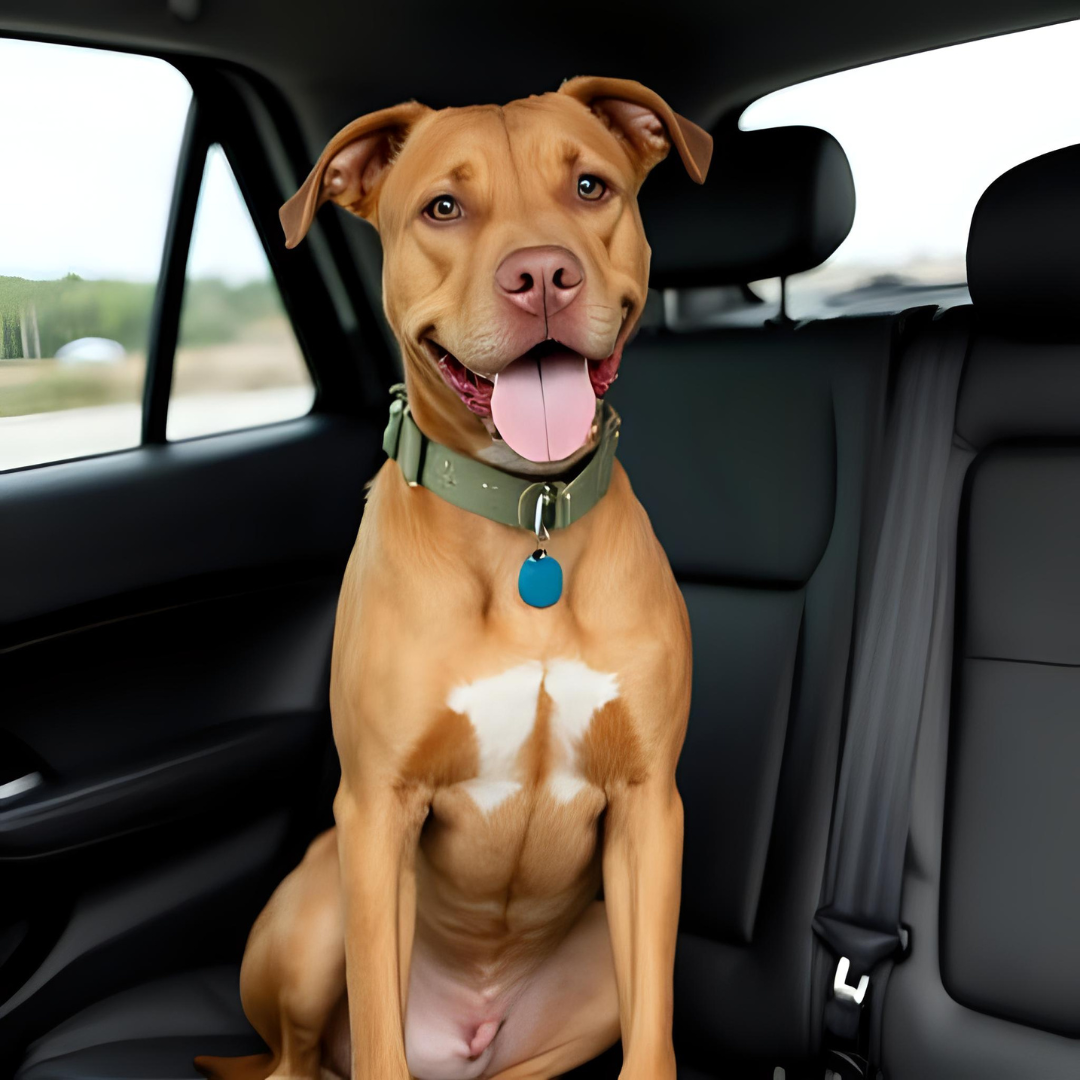
Traveling with your dog on a long car trip can be an incredible adventure. It’s a chance to bond, explore new places, and create lasting memories together. However, it also requires careful planning to ensure your dog’s safety, comfort, and well-being throughout the journey. From preparing the car to managing stops and accommodations, this guide will help you navigate every step of the process so that you and your furry friend can hit the road with confidence.
Why Planning Matters
Unlike quick trips to the park or the vet, long car journeys involve hours of driving, unfamiliar environments, and potential stressors for both dogs and owners. Proper preparation helps:
- Prevent motion sickness and anxiety.
- Keep your dog safe in case of sudden stops or accidents.
- Ensure your dog’s basic needs are met—hydration, bathroom breaks, and exercise.
- Reduce distractions so you can focus on driving.
Preparing Your Dog Before the Trip
1. Health Check and Vet Visit
Schedule a veterinary appointment before your trip to make sure your dog is healthy and up to date on vaccinations. Discuss:
- Preventive medications for fleas, ticks, and heartworms.
- Motion sickness remedies if your dog is prone to nausea.
- Microchip and ID tags to help reunite you with your dog in case they get lost.
2. Get Your Dog Used to the Car
Some dogs associate the car with stress—like going to the vet. Gradually desensitize your dog by:
- Taking them on short drives around the neighborhood.
- Offering treats and praise to build positive associations.
- Ensuring the car is a comfortable, non-threatening space.
3. Packing Essentials
Prepare a dog-specific travel bag that includes:
- Food and treats, plus a portable water bowl.
- Medications and health records.
- Waste bags and cleaning supplies.
- Favorite toys or a blanket for comfort.
- Leash, collar, and ID tags.
Car Safety Measures
1. Use Proper Restraints
Dogs should never roam freely in the car. Secure your dog using:
- A crash-tested harness attached to the seatbelt.
- A well-ventilated crate or carrier, secured so it won’t slide.
- A dog car seat with appropriate safety straps.
Unrestrained dogs are a distraction to drivers and at risk of injury in an accident.
2. Temperature Control
Cars can become dangerously hot or cold very quickly. Ensure good ventilation and never leave your dog alone in the car, even for a few minutes. Use sunshades on windows and consider a battery-operated fan for extra cooling.
Planning the Route
1. Schedule Breaks
Plan to stop every 2-3 hours for bathroom breaks, water, and a short walk. Choose pet-friendly rest areas or parks when possible.
2. Identify Dog-Friendly Lodging
Research hotels, motels, or rental properties that welcome dogs. Confirm any pet fees, size restrictions, and house rules in advance.
3. Research Emergency Vets
Along your route, note the locations of veterinary clinics or animal hospitals in case of emergency. Save these numbers on your phone.
Managing Anxiety and Motion Sickness
1. Calming Aids
- Pheromone sprays or collars can help reduce stress.
- Natural calming treats or supplements may help.
- Soft background music or white noise can soothe your dog during the drive.
2. Managing Motion Sickness
- Feed your dog a light meal a few hours before departure.
- Avoid feeding right before or during the trip.
- Consult your vet about anti-nausea medications if needed.
Making the Journey Enjoyable
1. Bring Familiar Comforts
A favorite blanket, bed, or toy can make the car feel like home.
2. Offer Interactive Toys
Puzzle toys or treat-dispensing balls can help keep your dog occupied and calm.
3. Maintain a Calm Demeanor
Your dog looks to you for cues. Staying relaxed and using a calm voice can help your dog feel safe.
Feeding and Hydration
Feed your dog at their usual mealtimes, using familiar food to avoid digestive upset. Offer water at each stop, and bring bottled or filtered water if local water quality varies along the route.
Exercise and Mental Stimulation
Take time during breaks to let your dog stretch their legs, sniff, and explore safely on a leash. A quick game of fetch in a safe area can help burn off excess energy.
Arriving at Your Destination
When you reach your destination:
- Let your dog explore their new surroundings on leash.
- Show them where their bed, water, and food are located.
- Keep the first few hours calm to help them adjust.
Monitoring Health During the Trip
Watch for signs of stress or illness, such as:
- Vomiting or diarrhea.
- Excessive drooling.
- Lethargy or reluctance to eat.
- Labored breathing or coughing.
If you notice any of these signs, contact a local vet right away.
Special Considerations for Senior Dogs
Older dogs may need more frequent breaks, softer bedding, and additional medications to manage arthritis or other conditions. Plan accordingly and talk to your vet before the trip.
Final Thoughts
A well-planned car trip can be a wonderful experience for you and your dog. With proper preparation, you can ensure your dog stays safe, comfortable, and happy throughout the journey. Remember that every dog is unique—adjust your plans to match your dog’s age, breed, and temperament.
Safe travels, and enjoy the adventure ahead!