
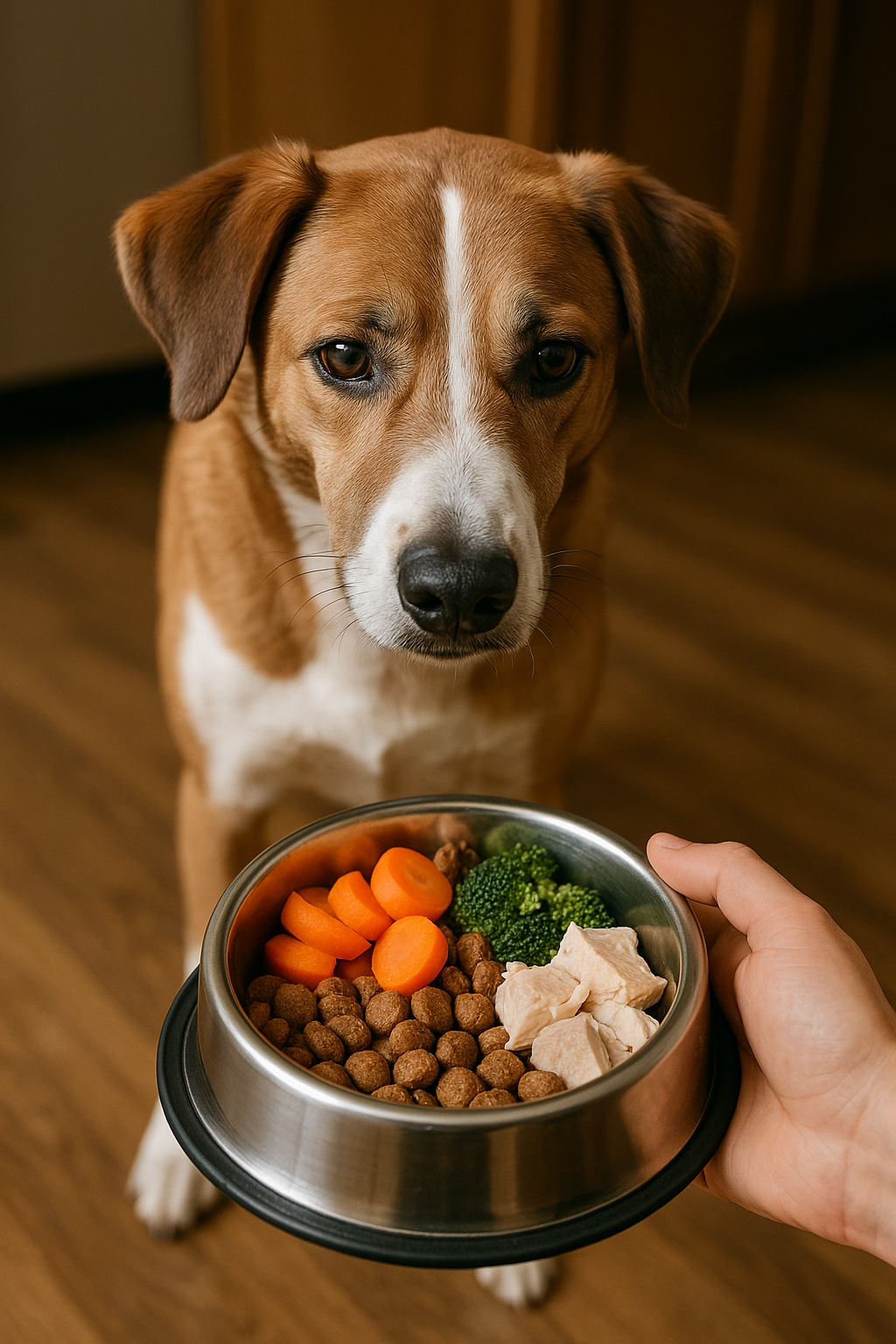
Feeding your dog the right way is one of the most important aspects of responsible pet ownership. A balanced, nutritious diet not only keeps your dog physically healthy but also supports their energy, coat, and overall well-being. However, many pet owners unintentionally make mistakes when it comes to feeding practices. Let’s dive deep into how to feed your dog safely and properly so they can live their happiest, healthiest life.
Understand Your Dog’s Nutritional Needs
Every dog is unique, and their nutritional requirements vary depending on factors such as age, breed, size, activity level, and any health conditions they might have. Puppies, adult dogs, and seniors all require different balances of nutrients.
- Puppies need food that supports their rapid growth and development. Puppy formulas are usually higher in protein and calories.
- Adult dogs benefit from a balanced diet that maintains their weight and supports their activity level.
- Senior dogs often require lower-calorie diets with added joint support and easily digestible nutrients.
Always consult with your veterinarian to choose the right formula for your dog.
Choose High-Quality Dog Food
Commercial dog food comes in many varieties, including dry kibble, wet food, and freeze-dried or raw options. High-quality dog foods are formulated to meet your dog’s needs and comply with the AAFCO (Association of American Feed Control Officials) standards.
- Dry kibble is convenient, affordable, and helps keep your dog’s teeth clean.
- Wet food has higher moisture content, which can be helpful for dogs that don’t drink enough water or have dental issues.
- Raw or freeze-dried diets can be beneficial but should be approached with caution and under veterinary guidance to avoid nutritional imbalances and contamination risks.
Look for dog foods that list a high-quality protein source, such as chicken, beef, or fish, as the first ingredient. Avoid foods with excessive fillers, artificial colors, or by-products.
Establish a Feeding Schedule
Consistency is key to maintaining your dog’s digestive health and preventing obesity. Most adult dogs do well with two meals per day—morning and evening. Puppies may require three or four smaller meals to support their rapid growth.
Feed your dog at the same times each day and avoid free-feeding (leaving food out all day), which can lead to overeating and weight gain.
Measure Portions Accurately
Obesity is a growing problem in dogs, leading to health issues like diabetes, arthritis, and heart disease. To prevent overfeeding, always measure your dog’s food according to the recommended guidelines on the food packaging or as advised by your veterinarian.
Adjust portions based on your dog’s age, activity level, and metabolism. Keep an eye on their body condition—a visible waist and easily felt ribs (without being overly pronounced) are good indicators of a healthy weight.
Avoid Feeding Human Foods
Many human foods are dangerous or even toxic to dogs. Some of the most common include:
- Chocolate (contains theobromine, toxic to dogs)
- Grapes and raisins (can cause kidney failure)
- Onions and garlic (can cause anemia)
- Alcohol (highly toxic)
- Xylitol (an artificial sweetener found in gum, candy, and baked goods)
Even foods that are safe in small amounts, like cooked meats, should be given sparingly and without added seasonings, which may contain ingredients harmful to dogs.
Incorporate Treats Wisely
Treats are great for training and bonding but should be given in moderation—ideally making up no more than 10% of your dog’s daily caloric intake. Opt for healthy, dog-specific treats rather than table scraps.
Many dog treats are formulated to support dental health or provide added nutrients. Always check the ingredients and choose treats with recognizable, high-quality components.
Provide Fresh Water at All Times
Water is just as important as food. Always make sure your dog has access to clean, fresh water. Change the water at least once a day and wash the bowl regularly to prevent bacteria buildup.
Proper hydration helps with digestion, temperature regulation, and overall health. In hot weather or after exercise, your dog may need more water, so keep an extra bowl on hand during walks or trips.
Consider Special Dietary Needs
Some dogs have special dietary requirements due to allergies, medical conditions, or specific breed tendencies. For example:
- Dogs with food allergies may require hypoallergenic diets or novel protein sources.
- Dogs with kidney disease often need lower protein and phosphorus diets.
- Dogs with sensitive stomachs may benefit from easily digestible formulas.
If your dog has any health concerns, always consult your veterinarian before making changes to their diet.
Monitor Your Dog’s Health
Feeding your dog properly isn’t just about putting food in a bowl. Pay attention to their overall health, including:
- Weight changes: Sudden weight gain or loss can signal an underlying issue.
- Coat condition: A shiny, soft coat often indicates good nutrition, while dull fur or skin problems may require dietary adjustments.
- Energy levels: Lethargy or hyperactivity can sometimes be linked to dietary issues.
Regular check-ups with your vet are crucial to ensure your dog is thriving on their current diet.
Make Mealtime Enjoyable
Feeding your dog can also be an opportunity to bond and stimulate their mind. Try:
- Using puzzle feeders or slow-feed bowls to prevent gulping and provide mental stimulation.
- Feeding in a calm, quiet space to reduce stress.
- Adding small amounts of warm water or low-sodium broth to kibble to enhance aroma and flavor, especially for picky eaters.
Final Thoughts
Feeding your dog safely and properly is one of the best gifts you can give your canine companion. By choosing high-quality food, measuring portions accurately, and maintaining a consistent feeding schedule, you’re setting the foundation for a healthy, happy life. Remember that every dog is unique, and what works for one may not work for another. Stay in tune with your dog’s needs and work closely with your veterinarian to make the best choices. With love, care, and a little planning, you’ll ensure your dog thrives—every single day.