
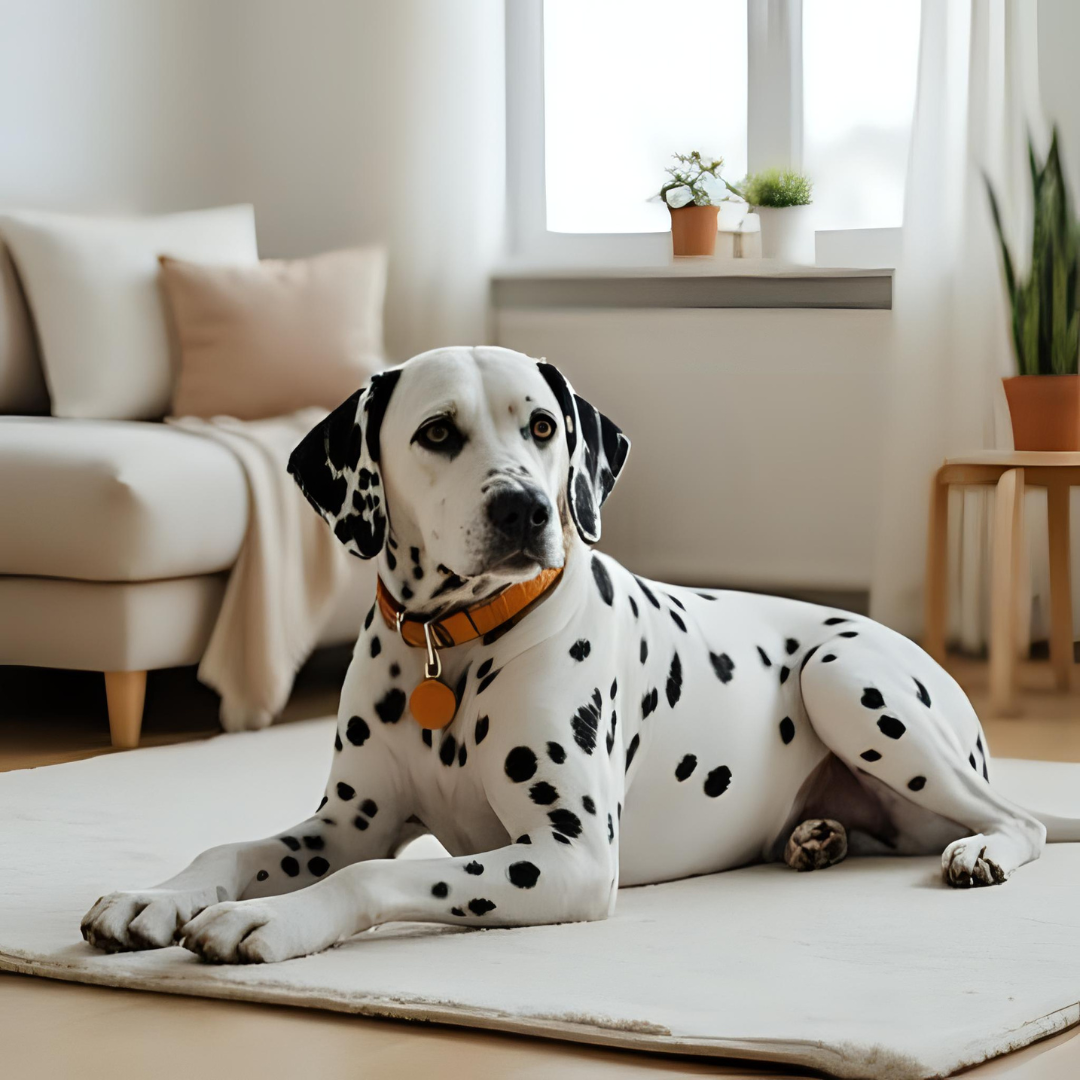
For many dog owners, leaving their beloved pet home alone during work hours can be a source of worry. Dogs are social creatures that thrive on companionship and activity. When left alone for long periods, they can become bored, anxious, or even destructive. But with a bit of planning and creativity, you can make sure your dog stays happy, mentally stimulated, and well-cared-for while you’re at work. This guide will help you understand why dogs get bored, identify signs of boredom, and give you practical strategies to keep your dog engaged during the day.
Why Dogs Get Bored When Home Alone
Dogs are naturally curious and social animals. Being left alone in a quiet house with nothing to do can lead to:
- Destructive behaviors (chewing, digging, scratching).
- Excessive barking or howling.
- Accidents inside the house (often due to anxiety).
- Stress-related behaviors like pacing or licking.
Understanding these reasons helps you address the root cause of the problem instead of just the symptoms.
Signs Your Dog Might Be Bored
If your dog is bored while you’re away, you might notice:
- Chewed furniture or household items.
- Torn pillows or rugs.
- Holes dug in the yard.
- Barking or whining, especially around the time you leave.
- A general sense of restlessness or hyperactivity when you return.
Setting Up an Enriching Home Environment
1. Create a Safe Space
Designate an area of the house where your dog feels comfortable and safe. This might be a cozy room with a bed, water bowl, and some favorite toys. A crate can be a good option if your dog is crate-trained and sees it as a secure den.
2. Leave Engaging Toys
- Puzzle toys: These challenge your dog’s brain and can dispense treats to keep them occupied.
- Kongs: Stuffed with peanut butter or soft cheese and frozen overnight, they can provide a long-lasting distraction.
- Chew toys: Safe, durable chews satisfy your dog’s natural urge to chew.
Rotate toys regularly to keep things fresh and interesting.
3. Use Food-Dispensing Toys
Instead of feeding your dog from a bowl, try using treat-dispensing toys or scatter feeding. Hiding kibble around the house or in puzzle feeders encourages natural foraging behavior.
Mental Stimulation Strategies
1. Leave a Sniff Mat or Snuffle Mat
A snuffle mat is a fabric mat with folds and pockets that hide treats. This allows your dog to sniff and search, which is both fun and mentally tiring.
2. Play Calming Music or Dog TV
Soft music or dog-friendly videos can reduce stress and keep your dog entertained. Some streaming services even offer programs designed specifically for dogs.
3. Interactive Cameras
Pet cameras let you check in on your dog during the day and, in some models, even talk to them or dispense treats remotely.
Physical Activity Before You Leave
A tired dog is a calm dog. Make time for:
- A brisk walk or jog.
- A game of fetch or tug-of-war.
- Basic obedience training (even 5 minutes can help burn mental energy).
This helps your dog settle and reduces the chance of boredom while you’re at work.
Enlist Help if Needed
1. Dog Walkers
A midday walk breaks up your dog’s day, provides exercise, and gives them a chance to relieve themselves.
2. Doggie Daycare
For highly social or energetic dogs, daycare can be an excellent way to provide companionship and activity while you’re at work.
3. Friends or Family
Ask a trusted neighbor or friend to stop by and spend time with your dog. Even a short visit can make a big difference.
Training for Alone Time
Gradually build your dog’s confidence in being alone:
- Start with short departures and gradually increase the time.
- Avoid making departures and arrivals dramatic; keep them calm and low-key.
- Leave treats or puzzle toys behind as a positive association with alone time.
Managing Separation Anxiety
Boredom is different from separation anxiety, which is a more serious condition that can cause panic when left alone. Signs of separation anxiety include:
- Destructive behavior specifically aimed at doors or windows.
- Excessive drooling or panting.
- Attempts to escape (scratching at doors or windows).
If you suspect separation anxiety, consult a veterinarian or a certified dog behaviorist for a tailored plan.
When You Get Home
Spend quality time with your dog when you return:
- Take them for a walk or play a game.
- Give them plenty of affection and attention.
- Reinforce calm behavior so they learn to greet you politely.
Final Thoughts
Leaving your dog home alone while you work doesn’t have to be stressful—for you or for them. With a thoughtful plan that includes physical exercise, mental enrichment, and the right support, you can keep your dog happy, healthy, and content until you’re home again. Remember that every dog is unique, so tailor your approach to their age, breed, and personality.
Investing in your dog’s happiness during the day will pay off with a calmer, more balanced companion who’s ready to share in all the joys that life—and you—have to offer.