
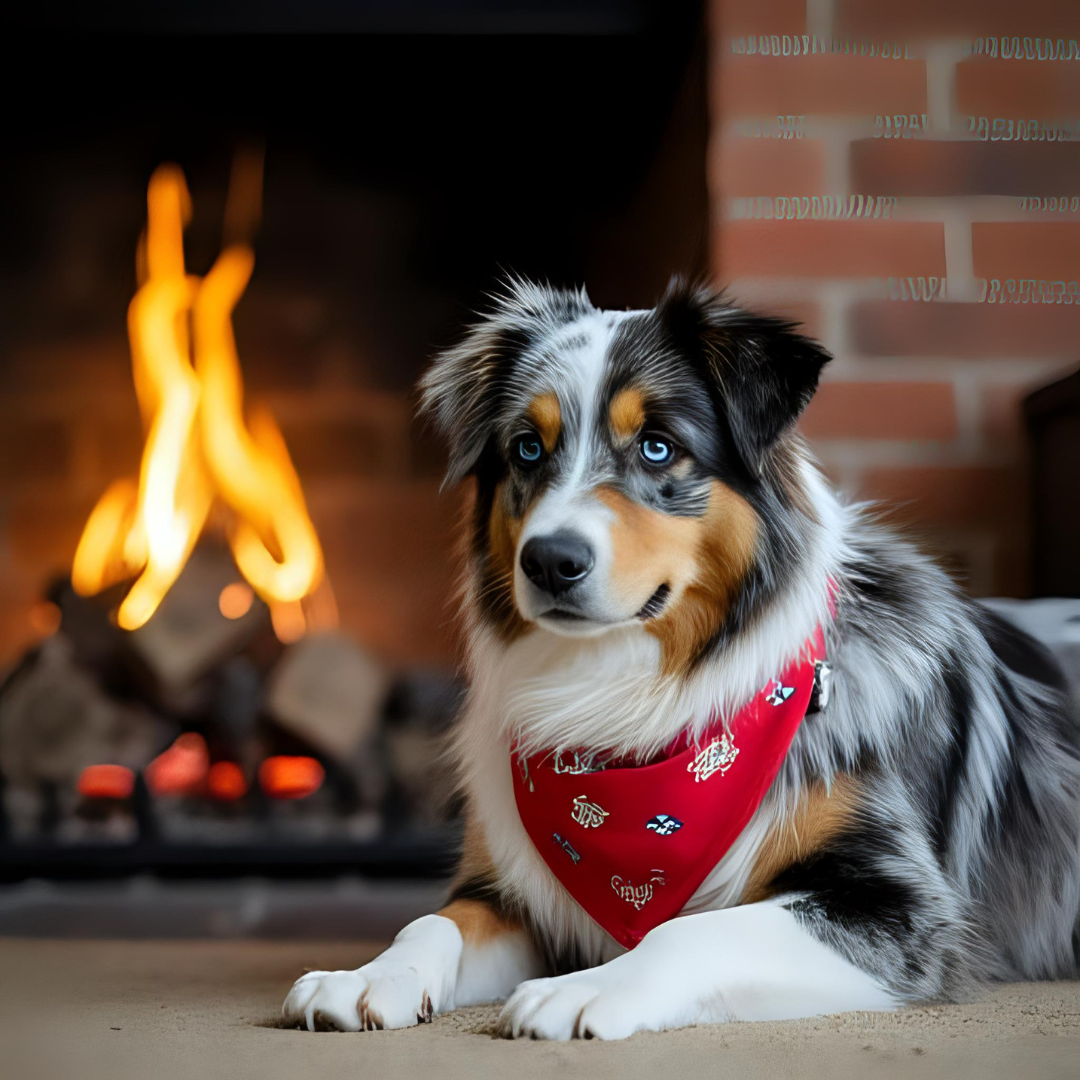
The holiday season is a time of celebration, family gatherings, and joy. For many of us, our dogs are part of that family, sharing in the festivities and often finding themselves at the center of the action. But along with all the fun, the holidays can bring unique hazards and stressors that might catch even the most attentive dog owners by surprise. From decorations and food to guests and travel, this guide will help you navigate the season while keeping your dog safe, comfortable, and included in the festivities.
Understanding Holiday Hazards
1. Decorations and Lights
Sparkling lights, tinsel, and shiny ornaments are beautiful but can be irresistible to curious dogs. They might chew on electrical cords or swallow small decorations, which can cause serious injuries.
Tip:
- Secure cords out of reach or use protective covers.
- Avoid using tinsel or small ornaments within your dog’s reach.
- Place fragile decorations higher on the tree.
2. Holiday Plants
Some common holiday plants are toxic to dogs:
- Poinsettias: Can cause mouth irritation and vomiting.
- Mistletoe: Can lead to severe digestive upset and heart problems.
- Holly: Causes vomiting and diarrhea.
Tip:
- Use artificial plants or place real ones well out of reach.
- Learn the symptoms of poisoning and have emergency vet contacts handy.
3. Food Hazards
Holiday meals often involve rich foods and treats that aren’t safe for dogs, including:
- Chocolate, raisins, grapes, onions, and garlic.
- Fatty meats and bones, which can cause pancreatitis.
- Alcohol and caffeinated drinks.
Tip:
- Inform guests not to feed your dog table scraps.
- Keep trash bins secured.
- Offer dog-friendly treats instead.
Managing Guests and Gatherings
1. Create a Safe Space
If your dog isn’t comfortable with crowds or loud noises, provide a quiet retreat—like a crate or a cozy room—where they can relax undisturbed.
2. Supervise Interactions
Not all guests understand how to approach a dog politely. Supervise children and adults to ensure interactions are calm and gentle.
3. Watch for Overstimulation
Signs of stress include yawning, lip licking, hiding, or growling. If your dog shows these signs, let them retreat to their safe space.
Traveling During the Holidays
1. Preparing for the Trip
- Visit your vet for a health check and ensure vaccinations are up to date.
- Pack essentials: food, water, medications, leash, ID tags, and comfort items.
- Use a secured crate or harness in the car.
2. Accommodations
- Book pet-friendly lodging in advance.
- Bring familiar items (blankets, toys) to help your dog feel at home.
3. Managing Anxiety
- Keep to routines as much as possible.
- Use calming aids like pheromone sprays or Thundershirts if needed.
Holiday Activities and Enrichment
Include your dog in the festivities with safe, dog-friendly activities:
- Take family photos with your dog in a festive bandana or holiday sweater.
- Prepare special treats (pumpkin biscuits or peanut butter cookies) that are safe for dogs.
- Enjoy winter walks in decorated neighborhoods—just watch for salted sidewalks, which can irritate paws.
Safety with Candles and Fireplaces
Candles and fireplaces create cozy holiday atmospheres but pose risks. A wagging tail can easily knock over a candle.
Tip:
- Use flameless LED candles.
- Install a fireplace screen.
- Never leave your dog unsupervised around open flames.
Gifting for Dogs
Dogs love presents too! Choose safe, high-quality toys and treats. Avoid small parts that can be swallowed and cheap squeakers that might break easily.
Post-Holiday Cleanup
- Quickly remove wrapping paper, ribbons, and bows, which can be tempting to chew.
- Securely store leftover food.
- Check the floor for dropped candy or other small items.
Special Considerations for Senior Dogs
Older dogs might find the hustle and bustle overwhelming. Provide them with extra comfort, soft bedding, and a quiet retreat. Keep their routines consistent to avoid confusion.
When to Seek Veterinary Help
Contact your vet immediately if your dog shows:
- Vomiting or diarrhea after eating something unusual.
- Signs of poisoning: drooling, lethargy, tremors.
- Difficulty breathing or sudden collapse.
Final Thoughts
The holidays are a time to make memories and share love, and that includes your four-legged family members. With a little planning and attention, you can create a safe, joyful, and stress-free holiday season for your dog. Remember, your dog looks to you for guidance and comfort—by anticipating their needs and watching out for potential hazards, you’re giving them the best gift of all: a happy, healthy holiday.