
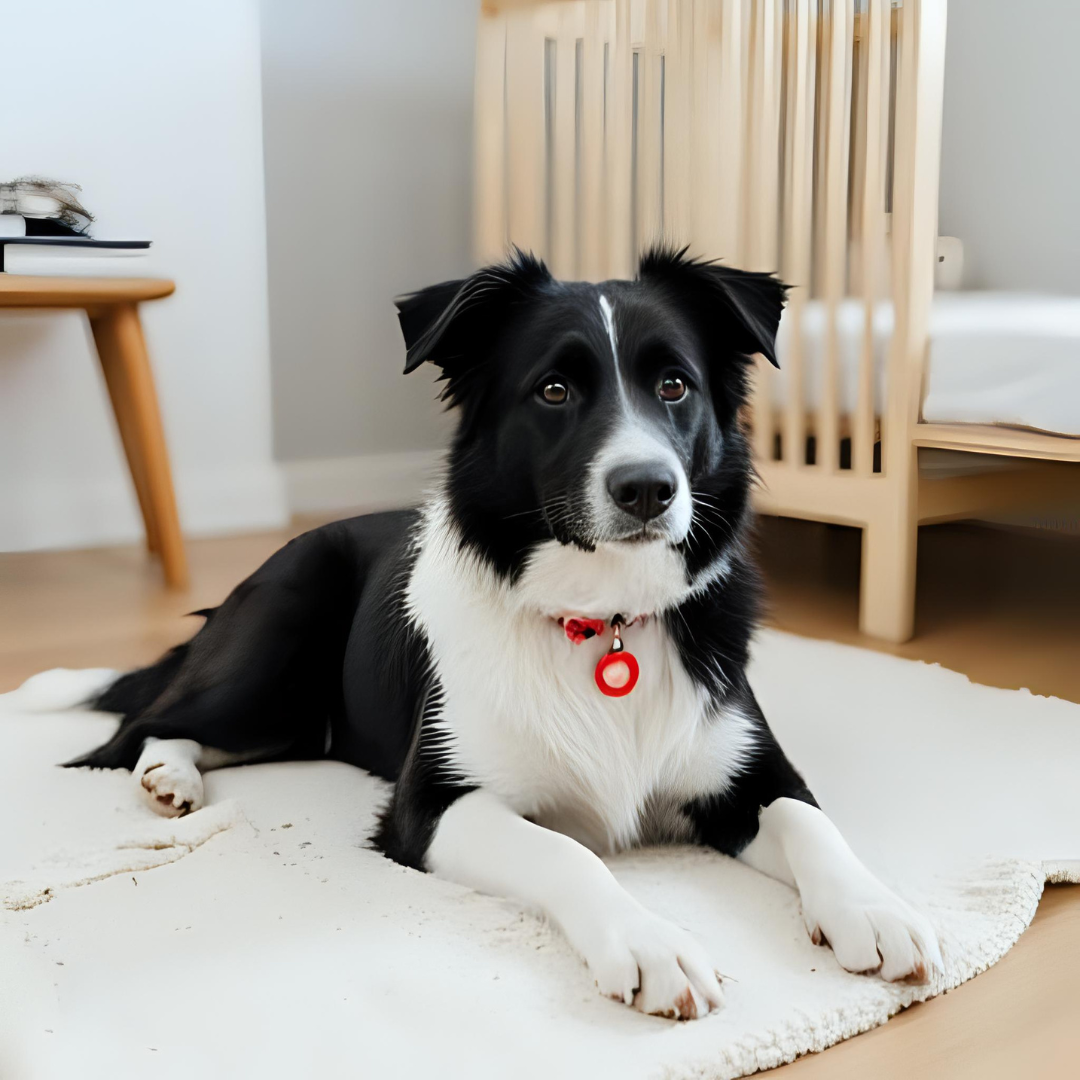
Welcoming a new baby into your home is a time of excitement, anticipation, and big changes for the entire family—including your dog. For many dogs, a baby’s arrival introduces new sounds, smells, and routines that can be confusing or even stressful. Proper preparation is essential to help your dog adjust smoothly and maintain a harmonious household. This comprehensive guide covers everything you need to know about preparing your dog for life with a baby, from pre-baby training to ongoing support.
Why Preparing Your Dog Matters
Dogs are creatures of habit. Changes to their daily routine or environment can cause stress, which may lead to behavioral problems such as anxiety, destructive chewing, or even aggression. By preparing your dog ahead of time, you can minimize stress and create a safe, loving environment for both your dog and your new baby.
Step 1: Assess Your Dog’s Current Behavior
Before bringing a baby home, take a close look at your dog’s current behavior. Ask yourself:
- Does my dog jump on people when excited?
- Is my dog possessive over toys or food?
- How does my dog react to loud noises or sudden movements?
- Is my dog well-socialized around children and strangers?
If your dog has any behavior issues, now is the time to address them with training and positive reinforcement.
Step 2: Start Training Early
Begin training at least a few months before the baby arrives. Key commands to reinforce include:
- Sit and Stay: Teaches your dog to remain calm in new situations.
- Leave it: Helps prevent your dog from picking up baby toys or other items.
- Go to your place: A designated spot where your dog can relax when needed.
- Quiet: Helps manage barking, which can disturb the baby.
Use positive reinforcement—treats, praise, and affection—to encourage good behavior.
Step 3: Introduce New Sounds and Smells
Babies bring a host of new sounds and scents into the home. Prepare your dog by:
- Playing recordings of baby sounds like crying or cooing at a low volume. Gradually increase the volume over time.
- Using baby lotion or powder on your own skin to get your dog accustomed to new smells.
- Letting your dog sniff baby clothes, blankets, or equipment.
Step 4: Adjust the Routine Gradually
Dogs feel most secure with a consistent routine. If your schedule will change after the baby arrives, start making adjustments now:
- Gradually shift feeding and walking times to align with the new routine.
- Practice spending time alone to reduce separation anxiety when you’re busy with the baby.
- Arrange for other family members or a dog walker to help if needed.
Step 5: Set Up Baby-Free Zones
Designate certain areas—like the nursery—as baby-only spaces. Use baby gates or closed doors to keep your dog out unless supervised. This helps your dog understand boundaries and reduces the risk of accidents.
Step 6: Create Positive Associations
Pair baby-related activities with positive experiences for your dog. For example:
- Give your dog a treat or a favorite toy while you rock the baby.
- Offer praise and gentle petting when your dog behaves calmly around baby gear.
- Avoid scolding or punishing your dog during baby interactions; focus on rewarding good behavior instead.
Step 7: The First Introduction
When you bring the baby home, greet your dog calmly first—without the baby. Once your dog has settled, allow them to sniff a blanket or clothing item with the baby’s scent. Then, introduce the baby at a safe distance while your dog is on a leash and under control. Reward calm behavior and keep interactions short and positive.
Never force the interaction. Let your dog set the pace and retreat if they’re nervous.
Step 8: Ongoing Support and Supervision
1. Supervise All Interactions
Never leave your dog and baby alone together, even if your dog has always been gentle. Babies can make sudden movements or grab fur, which might startle the dog.
2. Maintain Quality Time
Don’t forget your dog during this busy time. Set aside moments to play, cuddle, and train. Keeping up with your dog’s needs reduces jealousy and boredom.
3. Watch for Stress Signals
Monitor your dog’s body language. Signs of stress include yawning, lip licking, turning away, or hiding. If you notice these, give your dog a break in their safe space.
4. Keep Training Consistent
Continue reinforcing good behavior with rewards and praise. If issues arise—such as barking, resource guarding, or anxiety—consult a professional dog trainer or behaviorist for guidance.
Step 9: Safety Measures for Baby and Dog
- Teach your child (as they grow) to respect the dog’s space and avoid bothering them while they eat or sleep.
- Ensure your dog’s vaccinations and parasite preventatives are up to date.
- Secure household items that could pose risks (e.g., small toys that might be swallowed).
Step 10: Celebrate the Bond
Over time, your dog and baby can develop a loving bond. Encourage gentle interactions, supervised petting, and involvement in family activities. Many dogs become wonderful companions for children, offering loyalty, affection, and even a sense of protection.
Final Thoughts
Preparing your dog for a new baby is a journey that takes patience, understanding, and love. By planning ahead, setting clear boundaries, and maintaining a routine, you’ll create an environment where your dog feels safe and valued—and your baby can grow up with a gentle, loving friend.
Remember: every dog is unique. Pay attention to your dog’s comfort level and seek professional help if needed. With the right support, you’ll build a family dynamic filled with trust, respect, and unconditional love.