
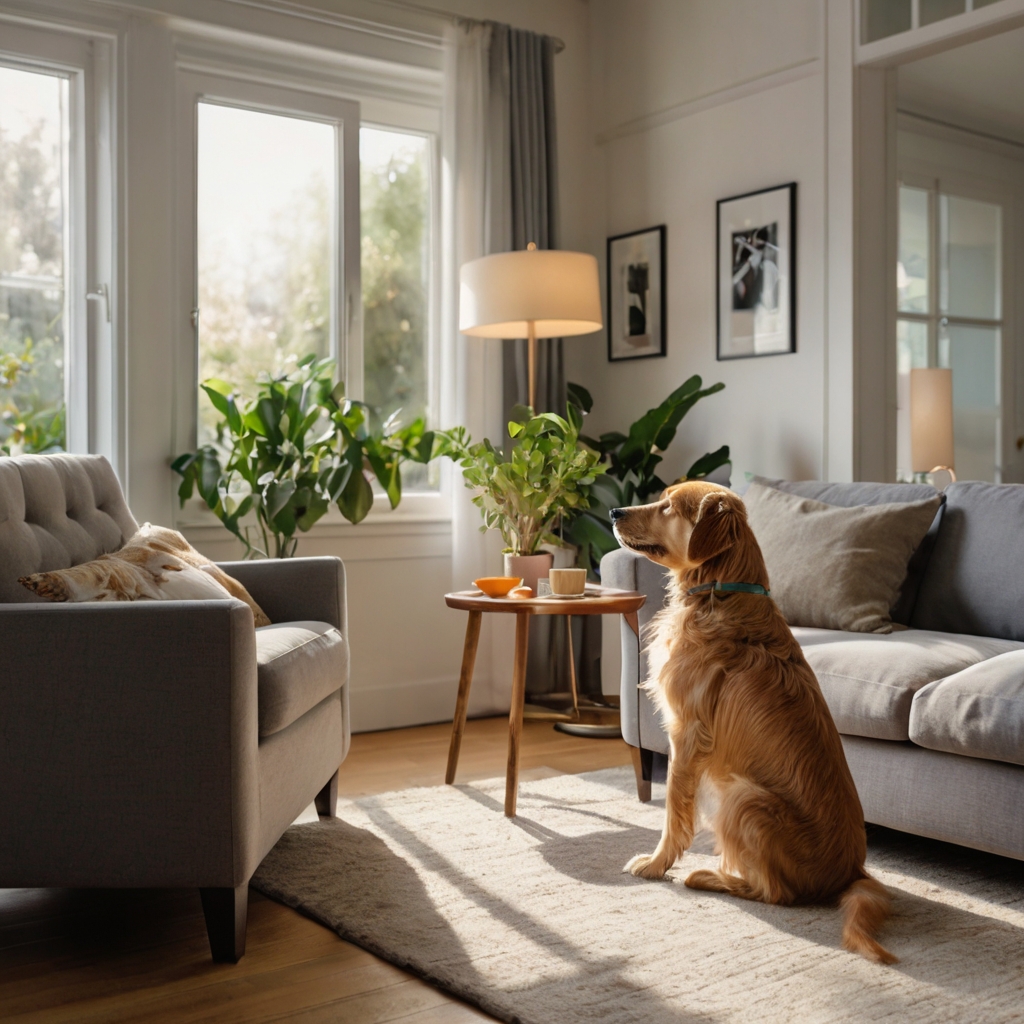
Introducing your dog to new people and other pets is an essential part of socializing them and building their confidence. A well-socialized dog is typically happier, less fearful, and more comfortable in a variety of environments. However, introductions must be done carefully to prevent stress, aggression, or fear-based reactions. In this article, we’ll explore step-by-step strategies for introducing your dog to new people and pets in a way that’s safe, positive, and rewarding for everyone.
Why Socialization Matters
Socialization is the process of exposing your dog to different experiences, people, animals, and environments in a controlled and positive way. Proper socialization helps your dog:
- Build confidence: A confident dog is less likely to react fearfully or aggressively.
- Adapt to new situations: Well-socialized dogs handle changes in routine or environment more easily.
- Develop good manners: Dogs learn how to interact appropriately with people and other pets.
The key is to make each introduction a positive experience so your dog associates new encounters with safety and fun.
Preparing for Introductions
Before you start introducing your dog to new people or pets, it’s important to set the stage for success:
- Know your dog’s temperament: Is your dog naturally shy, energetic, or cautious? Understanding their personality will help you plan the best approach.
- Ensure your dog is healthy: Dogs who are sick or in pain may react poorly to new experiences.
- Practice basic obedience: Commands like “sit,” “stay,” and “leave it” give you better control during introductions.
Introducing Your Dog to New People
Step 1: Create a Calm Environment
Choose a quiet space free from distractions. Avoid places where your dog feels territorial, like their crate or favorite bed.
Step 2: Let Your Dog Approach
Ask the new person to ignore the dog initially—no direct eye contact, reaching out, or sudden movements. Let your dog decide whether to approach and sniff.
Step 3: Use Treats and Praise
If your dog approaches the person, offer treats and praise for calm behavior. Encourage the person to gently offer a treat from an open hand, palm facing up, to avoid startling the dog.
Step 4: Watch Body Language
Look for signs that your dog is comfortable, such as a relaxed posture and wagging tail. If your dog backs away, cowers, or shows signs of stress (e.g., lip licking, yawning, tail tucked), give them space and time to adjust.
Step 5: Keep Sessions Short
Limit initial introductions to a few minutes. End the session on a positive note before your dog becomes overwhelmed.
Introducing Your Dog to Other Dogs
Step 1: Choose a Neutral Territory
Select a neutral space like a park or quiet street to avoid territorial behavior. Avoid introducing dogs in confined spaces.
Step 2: Start with Parallel Walking
Have each dog on a leash with separate handlers. Walk them side by side at a safe distance, allowing them to see and smell each other without direct contact.
Step 3: Gradual Approach
Slowly decrease the distance between the dogs as they show relaxed body language. Look for wagging tails, relaxed ears, and loose body movements.
Step 4: Controlled Sniffing
When both dogs appear calm, allow a brief sniff while keeping the leashes loose. Watch for positive body language, such as play bows and soft tails.
Step 5: Monitor Closely
If either dog shows signs of aggression (stiff body, growling, raised hackles), calmly redirect their attention and increase the distance.
Special Considerations for Cats and Other Pets
Introducing a dog to a cat or smaller pet requires extra caution:
- Use barriers: Start with a baby gate or crate to allow safe observation.
- Keep your dog on a leash: This gives you control in case your dog becomes overly excited.
- Reward calm behavior: Praise and treats for ignoring the other pet help reinforce positive associations.
Additional Tips
- Stay calm: Dogs can pick up on your emotions. Stay relaxed and confident during introductions.
- Avoid forcing interactions: Let your dog set the pace and never force them to interact if they’re not ready.
- Supervise all interactions: Always supervise until you’re confident that both your dog and the new person or pet are comfortable.
- Repeat sessions: Gradual, repeated exposure helps build familiarity and trust.
When to Seek Professional Help
If your dog shows signs of aggression, severe fear, or anxiety during introductions, consult a professional dog trainer or animal behaviorist. They can assess the situation and create a customized plan to help your dog feel more comfortable.
Final Thoughts
Introducing your dog to new people and pets is an important part of helping them become a well-adjusted companion. By taking a gradual, positive approach, you can make each new experience enjoyable and stress-free.
Remember that patience and consistency are key. Every dog is unique, so go at your dog’s pace and celebrate small successes along the way. With time, you’ll have a dog who’s confident, friendly, and ready to make new friends wherever they go.